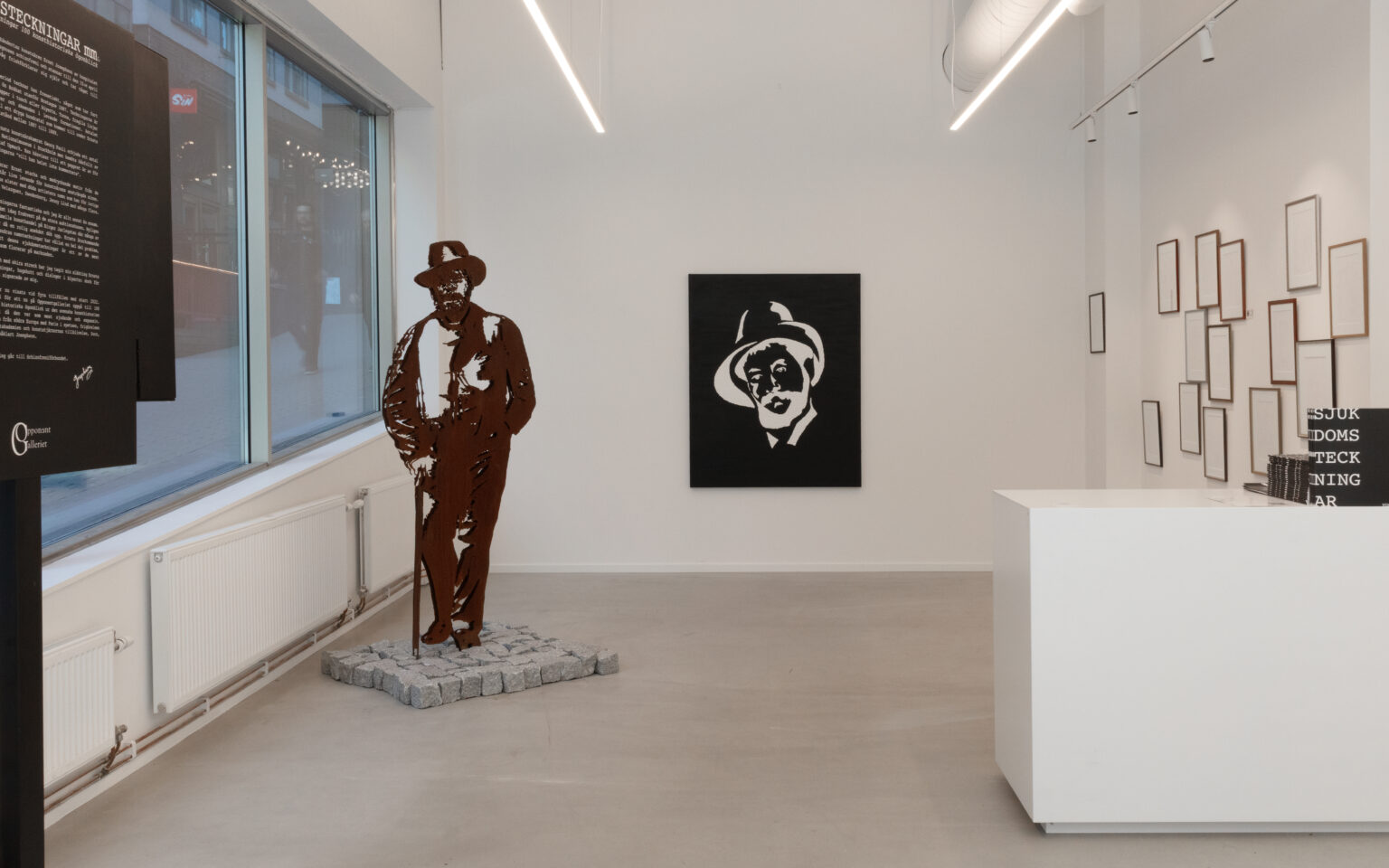
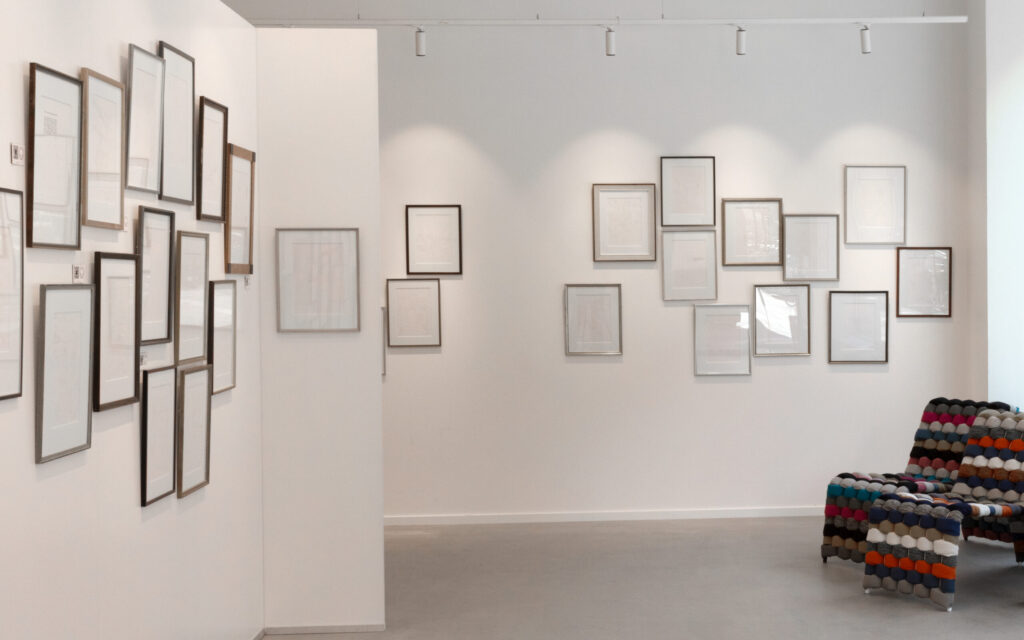
ILLNESS DRAWINGS etc.
Exhibitions 2022–
Opponentgalleriet – Stockholm
Galleri Backlunds – Gothenburg
Galleri Lorentzon – Stockholm
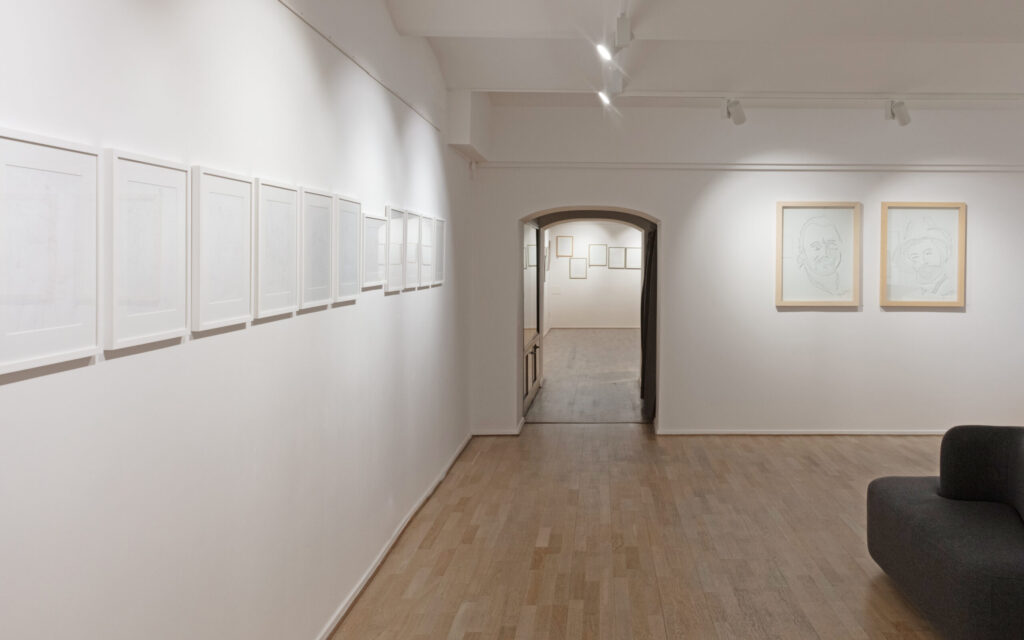
On 29 December 1888, the artist Ernst Josephson was admitted to the hospital in Uppsala. There he was diagnosed with what was then described as schizophrenia, remaining under care until 15 April 1889, when he declared himself cured and boarded a train back to Stockholm of his own accord.
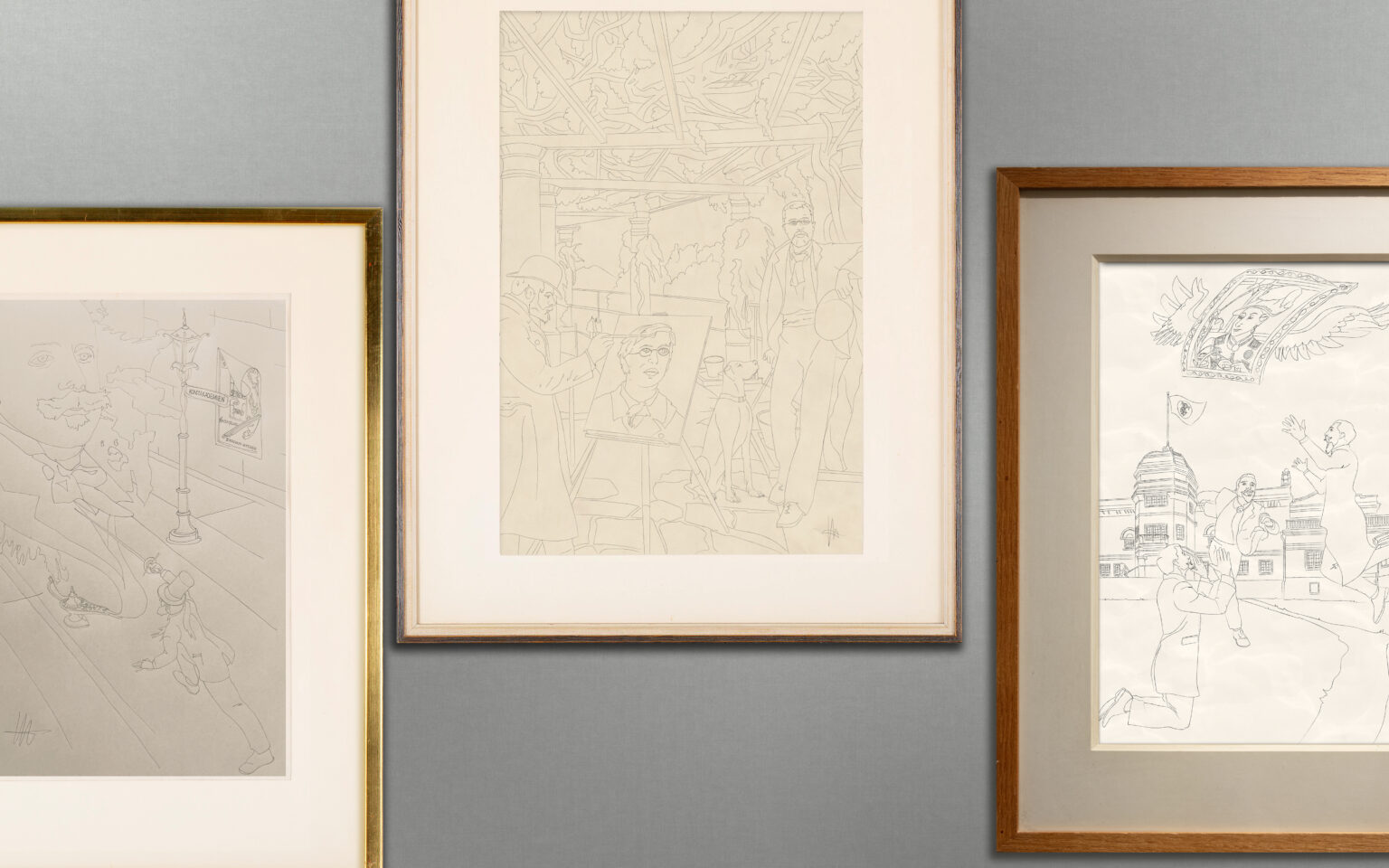
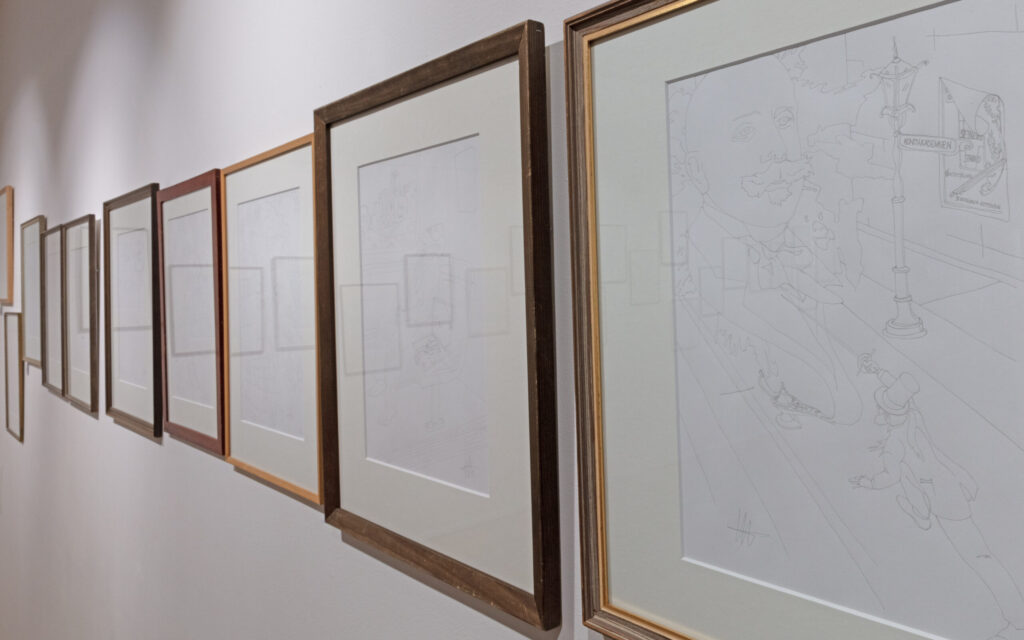
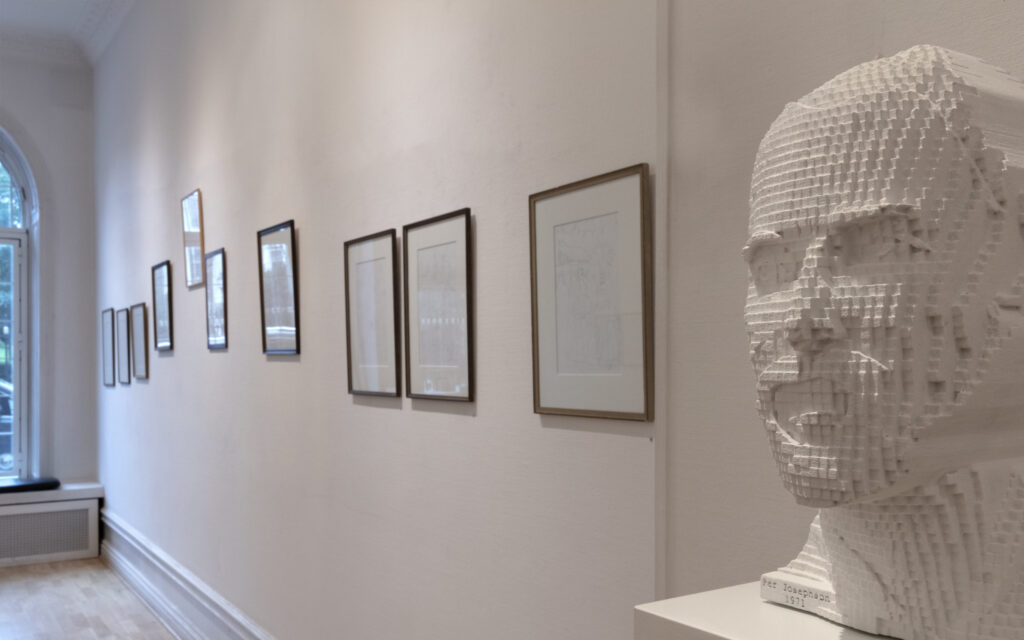
Throughout this period of illness, Josephson drew with remarkable intensity—a process that had already begun during his stay on the island of Bréhat off the coast of Brittany in 1887. These drawings were often executed on simple paper in ink, pencil, or charcoal: delicate, fragile lines binding together figures and events in living formations. It is estimated that around one hundred drawings emerged from Ernst’s hand during his turbulent years between 1887 and 1889.
A few years later, Josephson’s fellow artist Georg Pauli offered a number of these drawings to the Nationalmuseum in Stockholm. The response from its director, Gustaf Upmark, was less than enthusiastic. The paper, he argued, was of too modest a quality, while the drawings themselves he “preferred not to comment on.”
Composed of sparse and simple lines, the drawings visualize powerful motifs drawn from the vivid visions that appeared before the artist’s strained mind. Josephson frequently signed these works with the names of long – deceased figures with whom he believed himself to be in dialogue: Rembrandt, Diego Velázquez, Emanuel Swedenborg, Jenny Lind, among many others.
To my mind, these drawings are extraordinary — and I am far from alone in that view. They continue to appear regularly at major auction houses. During a recent conversation with Åmells Konsthandel, where many such sales take place, an amusing anecdote surfaced. Josephson’s recurring habit of signing his works with the names of others has caused more than a few complications over the years. As a result, these so-called disease drawings have become some of the most frequently forged works circulating on the art market.
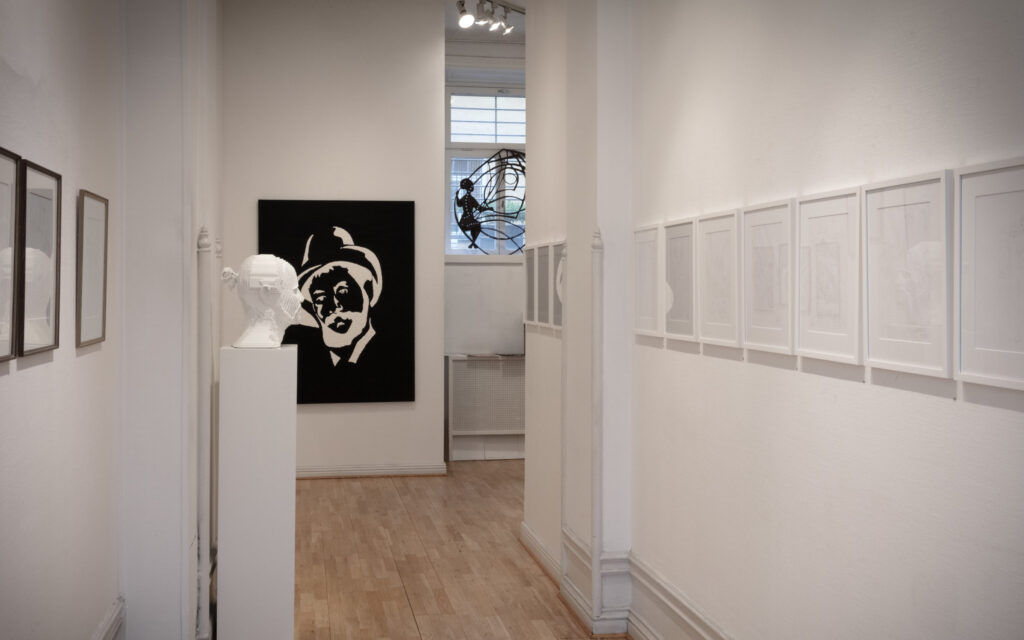
During the art project 5xJosephson, which I carried out in 2021, these drawings reappeared in various contexts before finally claiming their own place. On similarly humble paper, and with what I hope are equally sensitive lines, I have carried forward the drawings of my relative Ernst: interpretations, continuations, and dialogues in graphite — signed, for the sake of simplicity, only with my own name.




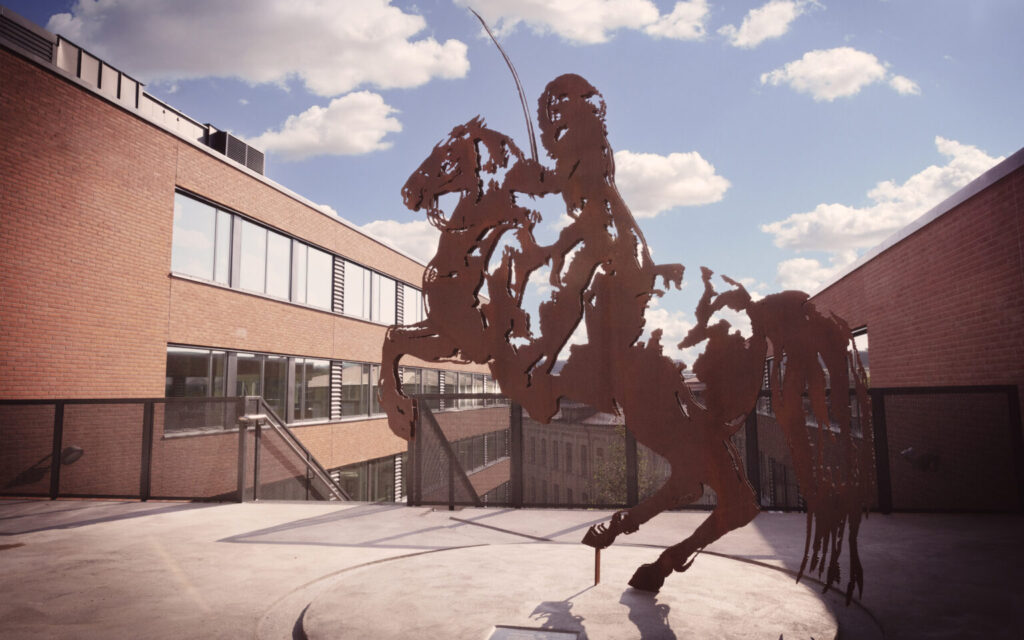
QUEEN CHRISTINA – SCULPTURE
Christina of Sweden was born on 8 December 1626 in Stockholm, Sweden, and died on 19 April 1689 in Rome, Italy. She reigned as Queen of Sweden from 1632 to 1654, with her personal rule beginning in 1644. In 1654, she abdicated the throne and settled in Rome.
“I was born free, I lived free. I shall die liberated.”
Queen Christina placed her own freedom above all else and never allowed herself to be constrained by convention or political intrigue. She was deeply devoted to culture, surrounding herself with magnificent paintings, rare book collections, and the seductive world of theatre. She also had a strong passion for horses, and her skill in the saddle was widely renowned.
On 23 December 1655, Christina was celebrated throughout Rome when she made her official entrance, riding a shimmering white Barb horse.
The French painter Sébastien Bourdon created the painting Queen Christina on Horseback in 1653. Measuring 383 × 291 cm, this work served as the visual foundation for the sculpture presented here.
Sculpture: Queen Christina on Horseback
Unveiled: 5 September 2024
Location: Gladers trappor, Arsenalsgatan / Hvitfeldtsplatsen, Gothenburg
Jazz-O-Tech presents – SOUNDSCAPE ORCHESTRA
Fasching, Stockholm — 16 March 2022
Live visuals: Per Josephson
Electronic music today spans a breadth that can be compared to jazz. Far removed from the commercial arenas of EDM, a progressive scene has emerged where improvisation—much like in jazz—remains a vital force within the music itself. Signs of these worlds increasingly converging are evident across contemporary music culture. The collaboration between electronic artist Floating Points and jazz legend Pharoah Sanders is only one such example.
The Berlin-based label Jazz-O-Tech has specialized in this intersection between electronic music and jazz, and among its artists is the Swedish group Soundscape Orchestra. Their double LP Nexus (2018) received strong critical acclaim, praised for its blend of jazz and electronic music—often described as a contemporary urban evolution of Weather Report and the 1970s work of Miles Davis.
One reviewer described it as “five Swedes cracking one of jazz’s greatest codes,” noting the group’s ability to “incorporate new technology and push jazz forward.” Although the album marked their debut, the members collectively brought an extensive artistic background, forming a necessary foundation for their ongoing experimentation with unconventional approaches and unexpected ideas.
Soundscape Orchestra’s most recent release, the single Dream Drone, entered Spotify’s Jazztronica playlist and Apple Music’s New Music Daily. A forthcoming EP will include several new tracks alongside remixes.
The evening’s performance is framed by visual works by artist Per Josephson and a DJ set by Jazz-O-Tech artist Mattia Prete.
Peter Fredman – clarinets, saxophones, flute
Anders Åstrand – vibraphone
Adam Forkelid – Rhodes, keyboards
Thomas Wingren – live electronics, percussion
Ricard Nettermalm – drums
Per Josephson – live visuals
Mattia Prete (IT) – DJ
ART EXHIBITION – 5xJosephson&CO
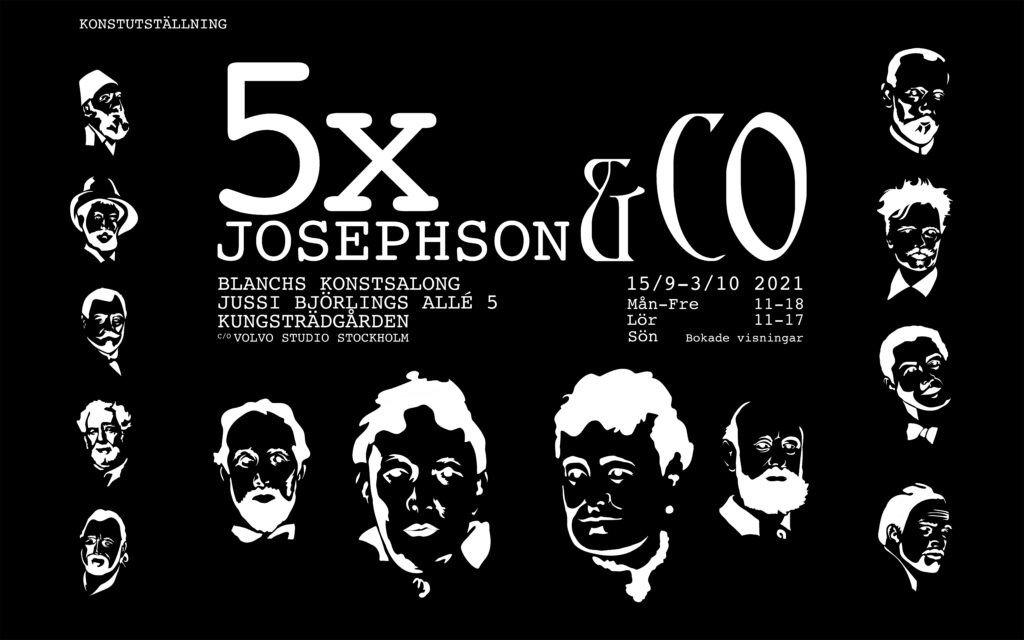
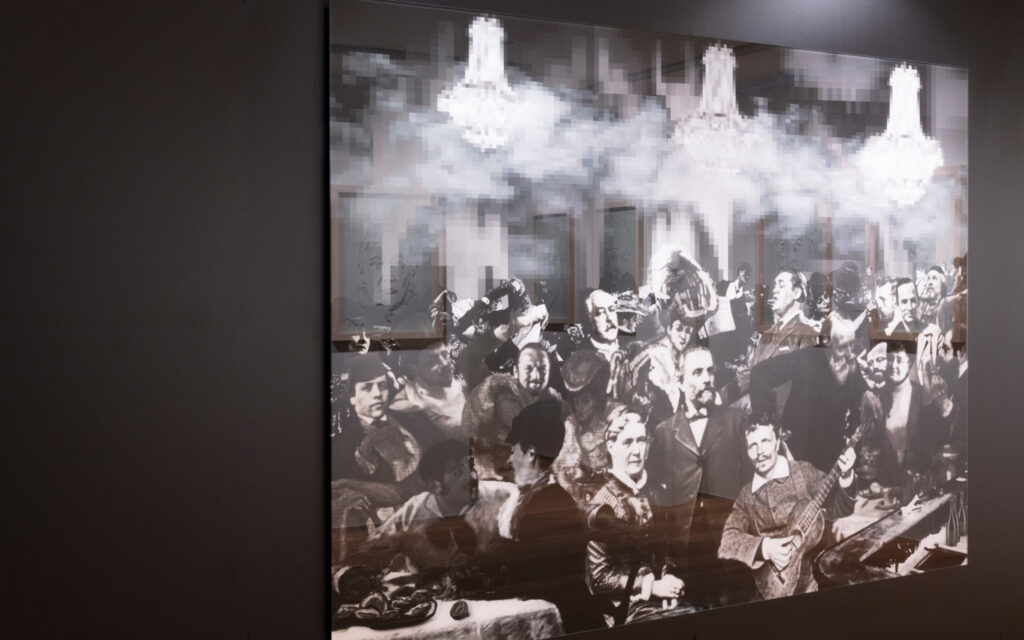
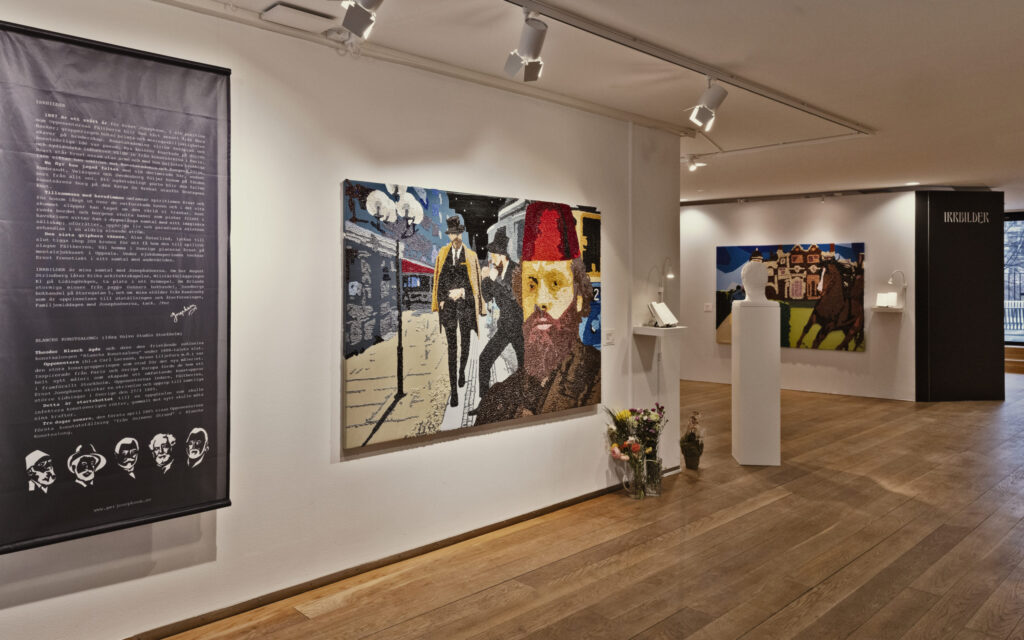
On 15 September 1885, Theodor Blanch opened the doors to his art salon in Kungsträdgården, Stockholm. For the second time that same year, he had invited the Opponents—led by Ernst Josephson—to present modern painting influenced primarily by Paris. The response was immediate; the Stockholm public queued in heightened anticipation.
Now, exactly 136 years later, Blanch once again opens his doors for the second chapter of the art project 5xJosephson. The current exhibition, 5xJosephson&CO, is a continuation and deep exploration of the relationships and encounters established in the first part of the project.
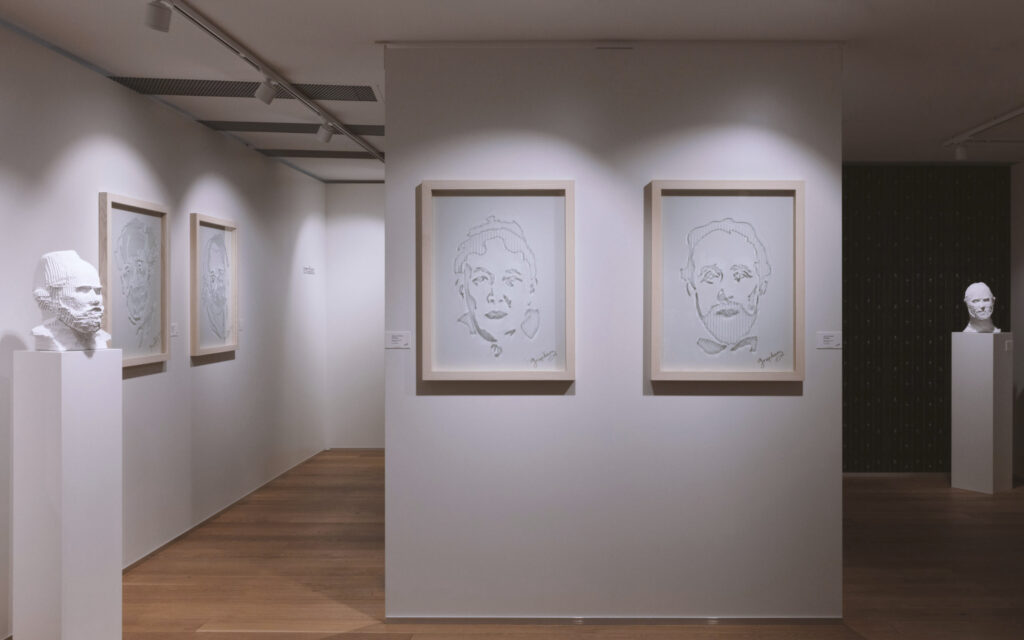
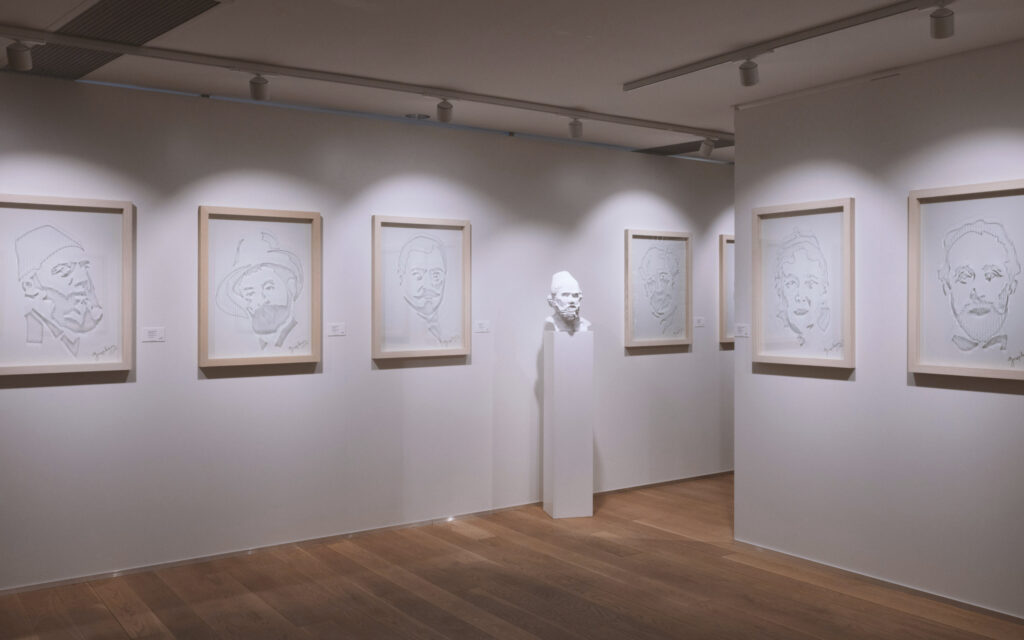
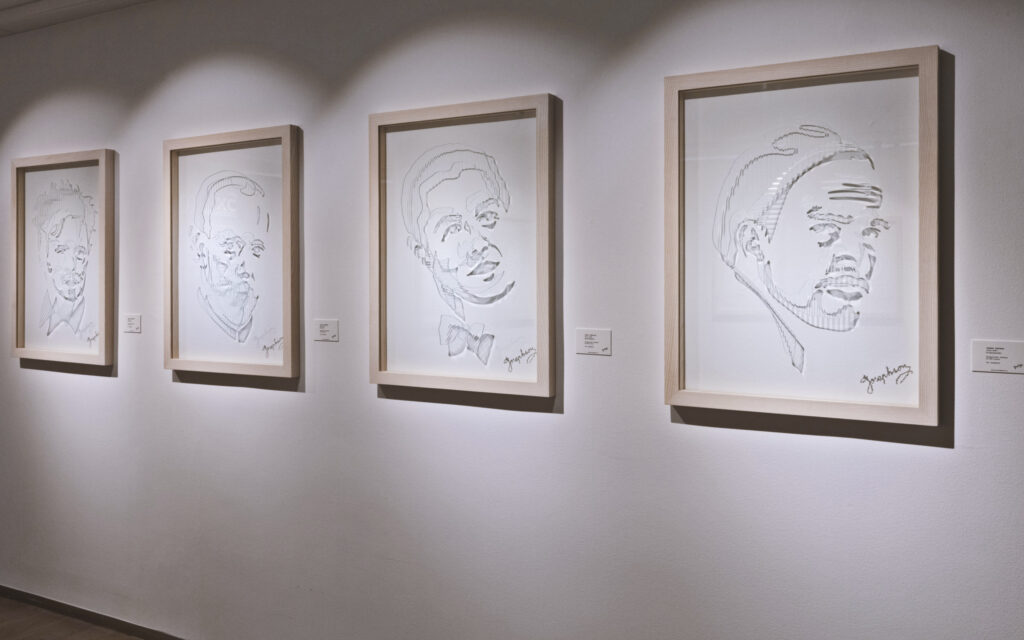
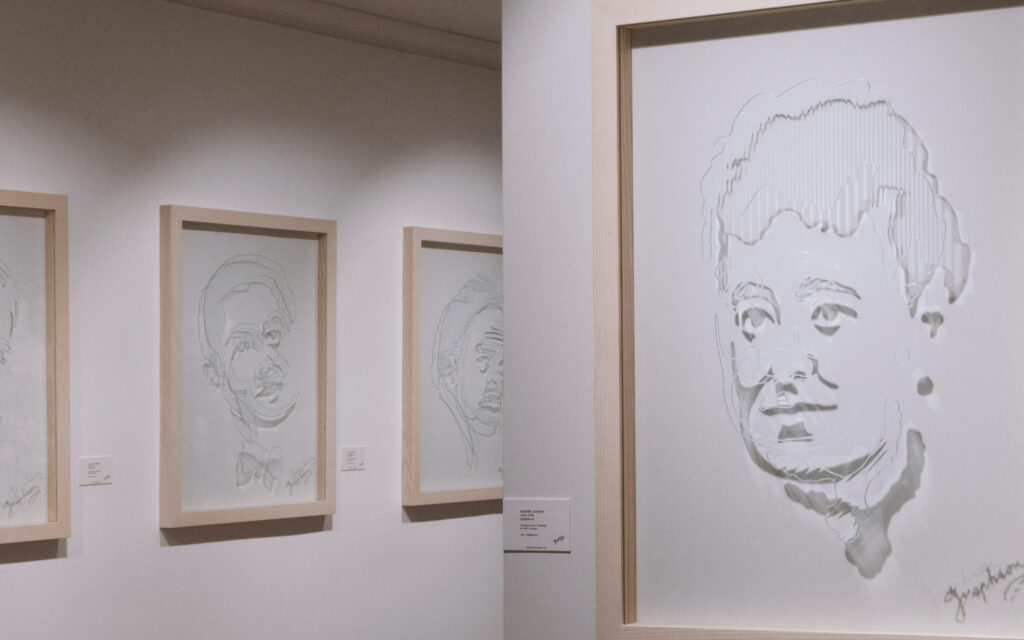
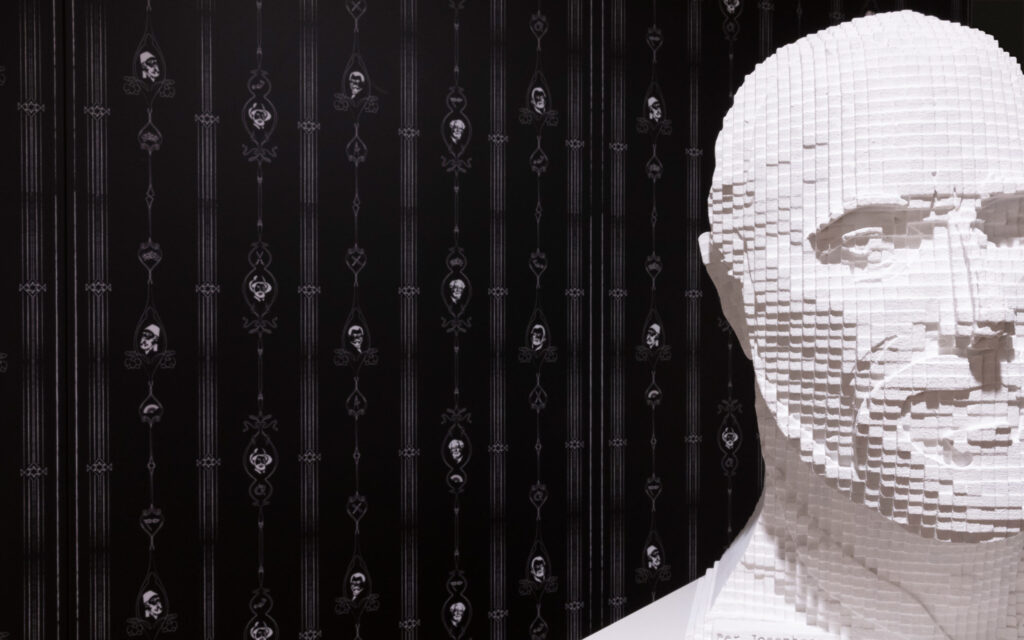
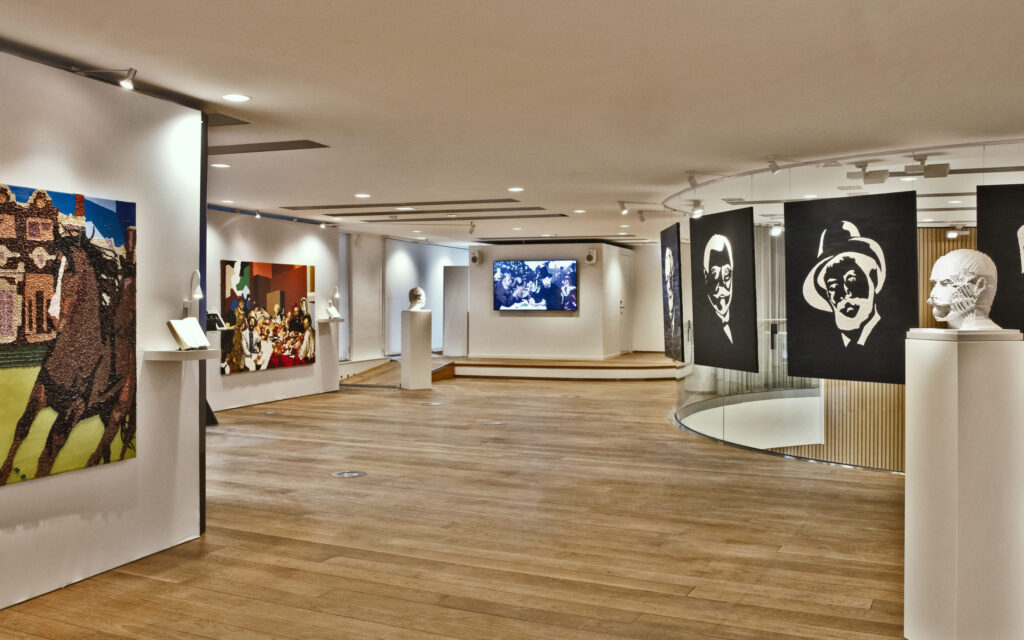
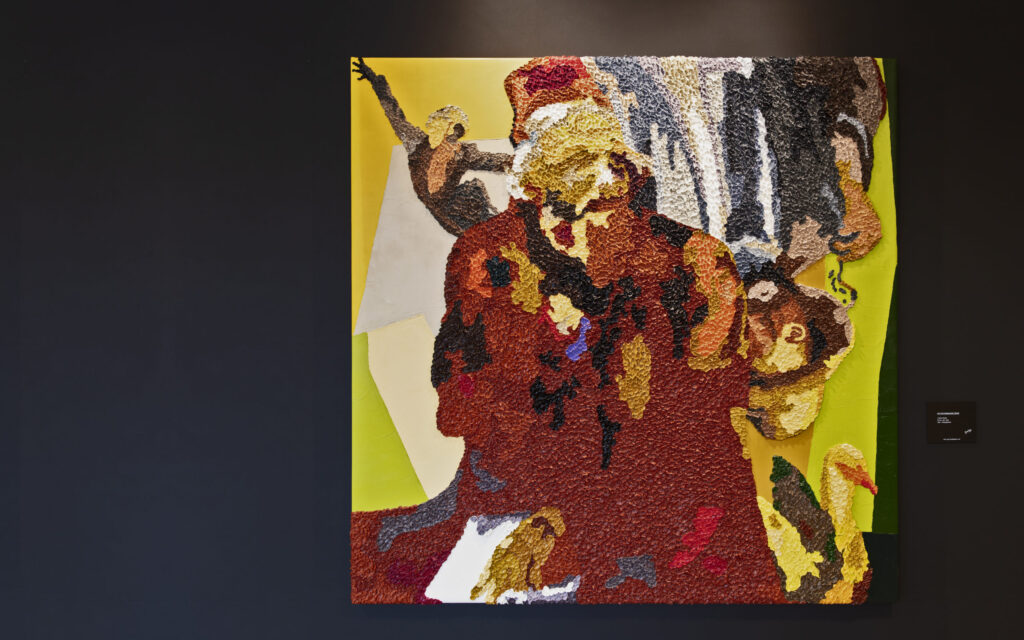
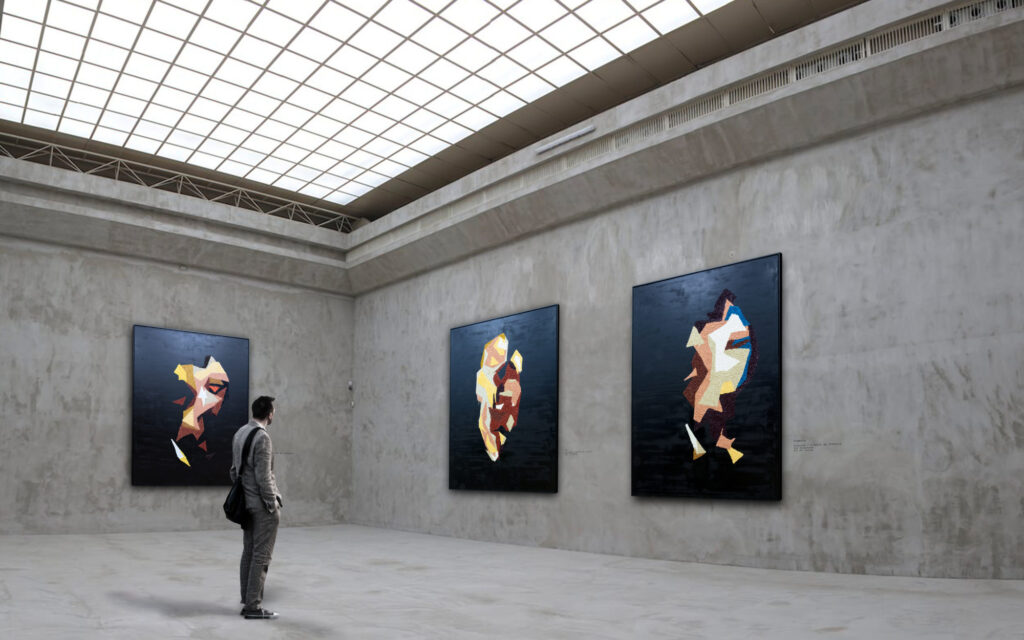
5xJosephson & CO is a dedicated portrait exhibition, presenting thirteen of Sweden’s most significant cultural figures across a span of 150 years. August Strindberg, Ingmar Bergman, the five Joseph sons, and several others are brought together in a shared space of historical and artistic resonance.
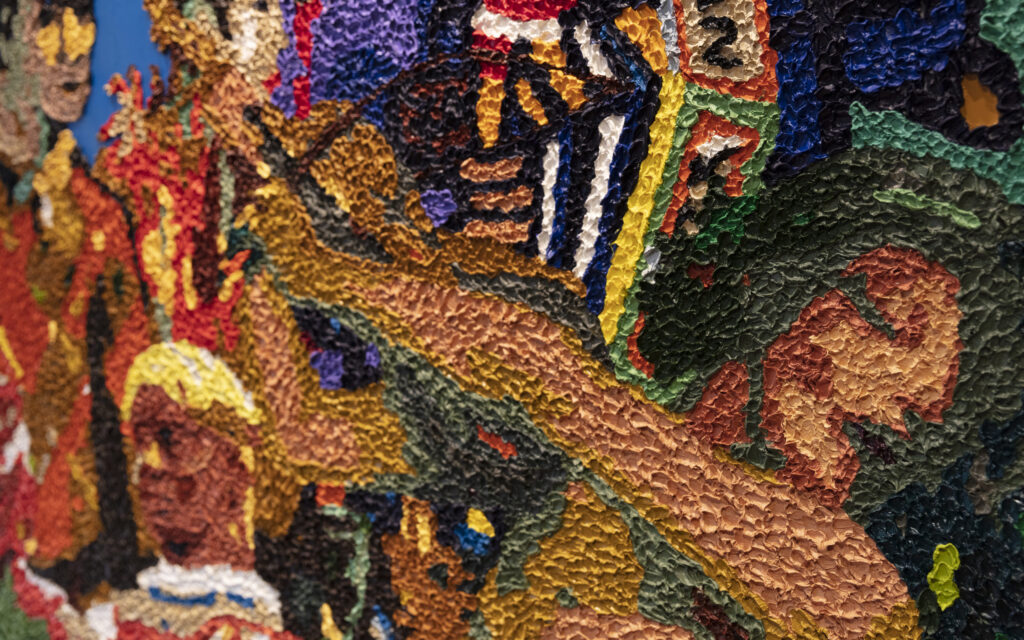
All portraits are constructed from clear and textured glass. Under carefully orchestrated lighting, the works generate a shifting play of shadows, where new faces emerge on the surrounding walls—reflecting the layered and often hidden identities of the depicted figures. At times, multiple presences can be perceived within a single portrait.
The entire exhibition is accompanied by a spatial 3D sound composition that animates the presence of those inhabiting the room. Once again, champagne flows freely, and, true to form, Ernst Josephson delivers his customary corrective blow to the art world.
Welcome to Blanch’s Art Salon, Kungsträdgården, Jussi Björlings allé 5.


ART EXHIBITION – 5xJOSEPHSON
Almost 150 years ago, Ernst Josephson gathered his painting tools and set off toward Stockholm’s Central Station. The harsh life of painting and the constant artistic conflicts in the capital weighed heavily on the “Field Marshal” of the Opponents. A telegram from his uncle, Ludvig Josephson, had more or less instructed the young artist to immediately travel to what was then considered Sweden’s artistic frontier—Gothenburg.
Together with Ludvig, Ernst meets the patron couple Pontus Fürstenberg and Göthilda Fürstenberg, who would go on to support him through the highs and lows of his life. Within their circle also moves the immensely wealthy shipping family Dickson.
During one lavish evening, James Fredrik Dickson opens his wallet wide and acquires a painting by the then-renowned artist Julius Kronberg. But when the work is to be installed in the grand salon at Stora Nygatan 7 in Gothenburg, a mistake becomes apparent: even if the ceiling were removed, the painting would not fit.
This miscalculation ultimately gives rise to the long-planned use of the previously acquired peninsula of Tjolöholm south of Gothenburg. A castle is to be built, equipped with the latest innovations of the time: electricity, circulating showers, and a dangerously heavy vacuum cleaner. The raison d’être of the entire castle becomes one single painting: The Queen of Sheba.
In the front row stand Ludvig and Ernst, together with the patron families, surveying the lands of Tjolöholm—pointing, sketching, and discussing the design of the future castle. Naturally, they also inform their relative, architect Erik Josephson, about the upcoming architectural competition.
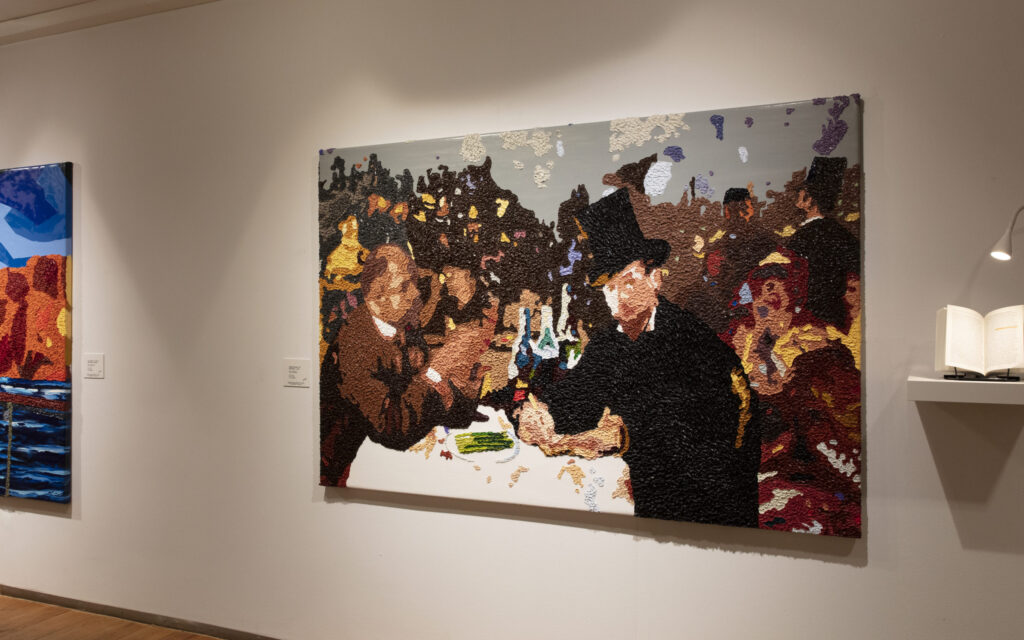
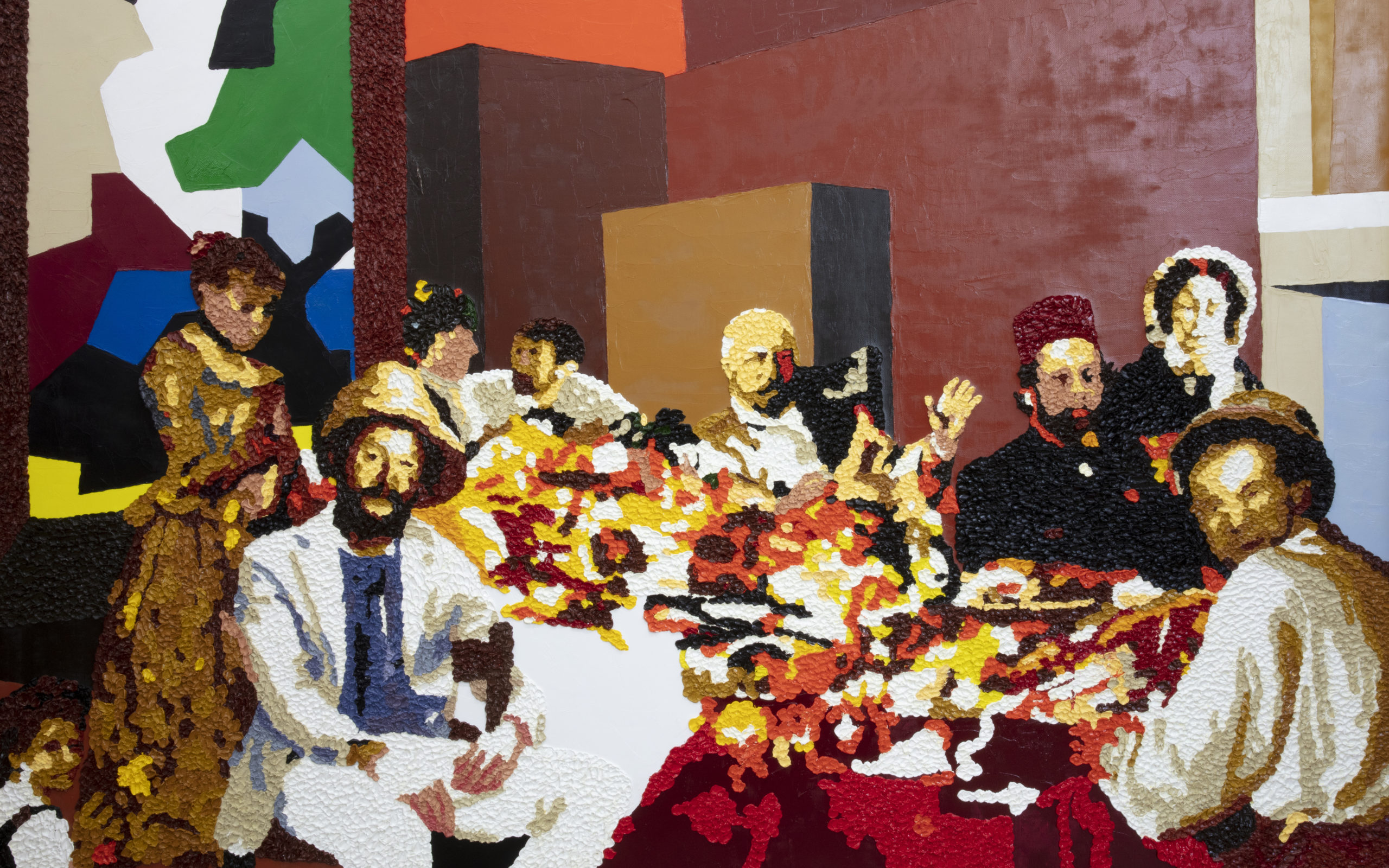
Many months later, Ludvig and Ernst sit at Café Le Prince Racine in Paris, desperately trying to reconstruct fragmented memories after an extended period of celebration with Ludvig’s acquaintance, the divine actress Sarah Bernhardt. It is there they receive news of the architect’s success: Erik wins the competition, along with the prize money and medal, announced in the national press on 12 June 1897.
Much later still, Erland Josephson walks in the same footsteps. During his engagement at Gothenburg City Theatre, he and his close collaborator Ingmar Bergman move up and down Avenyn. Their journeys are many, part of a lifelong conversation, and during visits to Tjolöholm they collect interior details that later weave their way into Bergman’s celebrated film epic Fanny and Alexander.
Now, nearly 150 years later, I, Per Josephson, sit in the cottage of Anna—once part of the Tjolöholm estate. The sun has slipped behind the western ridge and fallen into the gap beyond the castle. In the twilight I hear the satisfied snorting and galloping of the Wild Horses as they move freely, carried by the salt-laden wind that slowly envelops the magical estate.
After installing a herd of Wild Horse sculptures in the castle park, I put on my simple black trainers again — still marked with soil from all the digging—and walk up the crackling gravel path toward a family dinner in the soft glow of the castle hall.
On 27 March 1885, national newspapers across Sweden published the Opponents’ manifesto against the established art scene. The Royal Academy of Fine Arts was heavily criticised by the young art students; their leader, the “Field Marshal” Ernst Josephson, swung his brush fiercely to clear the way for a new form of painting. Three days later, on 1 April, the Opponents’ major exhibition opened at Blanch’s Art Salon in Kungsträdgården. The salon was highly modern and drew Stockholm’s public in long queues to witness the new painting. The exhibition was a success, and Carl Larsson, Bruno Liljefors, and Ernst Josephson among others achieved great recognition.
136 years later, the comprehensive exhibition 5xJosephson opens at the very same address. Welcome.
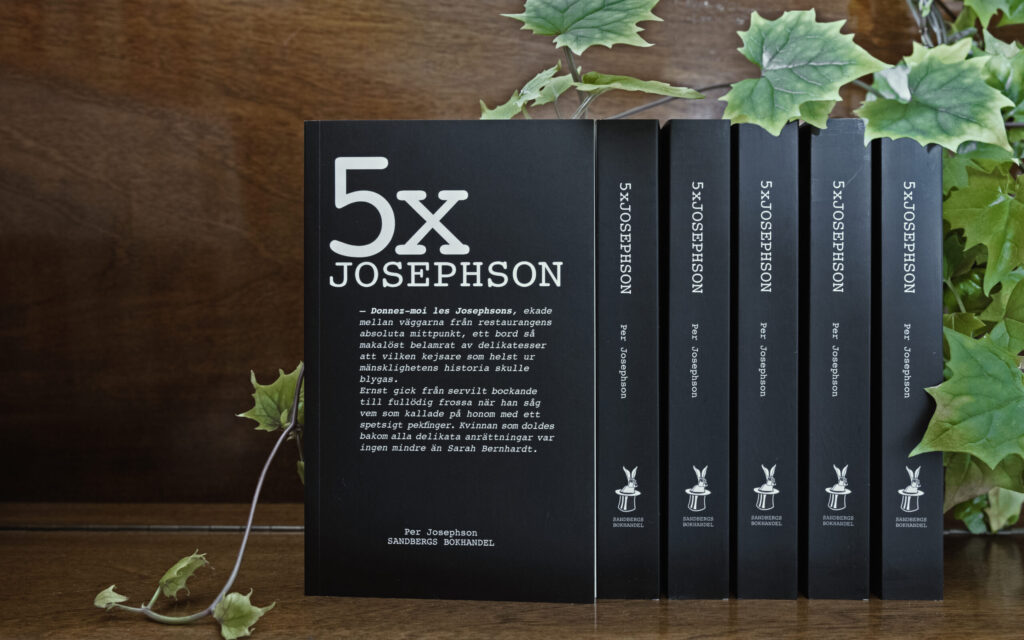
The exhibition 5xJosephson is based on the art novel of the same name. Download the art novel here: 5xJosephson
Several works in the exhibition are enhanced with AR (Augmented Reality). Download the ARTVIVE app to your phone and access additional material (sound & image) by viewing the works through your device.





ART EXHIBITION – WILD HORSES
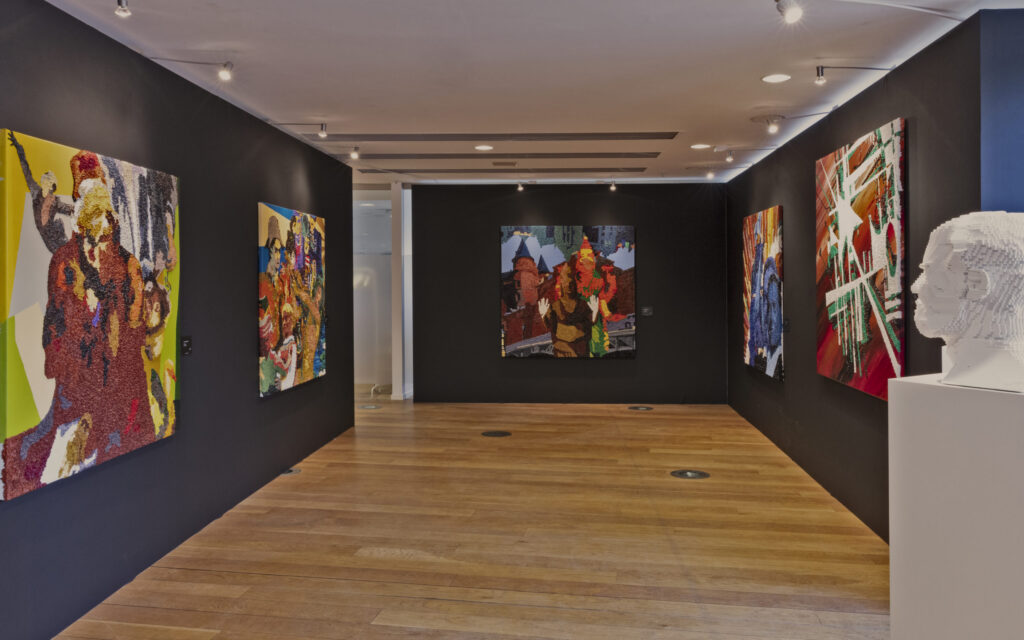
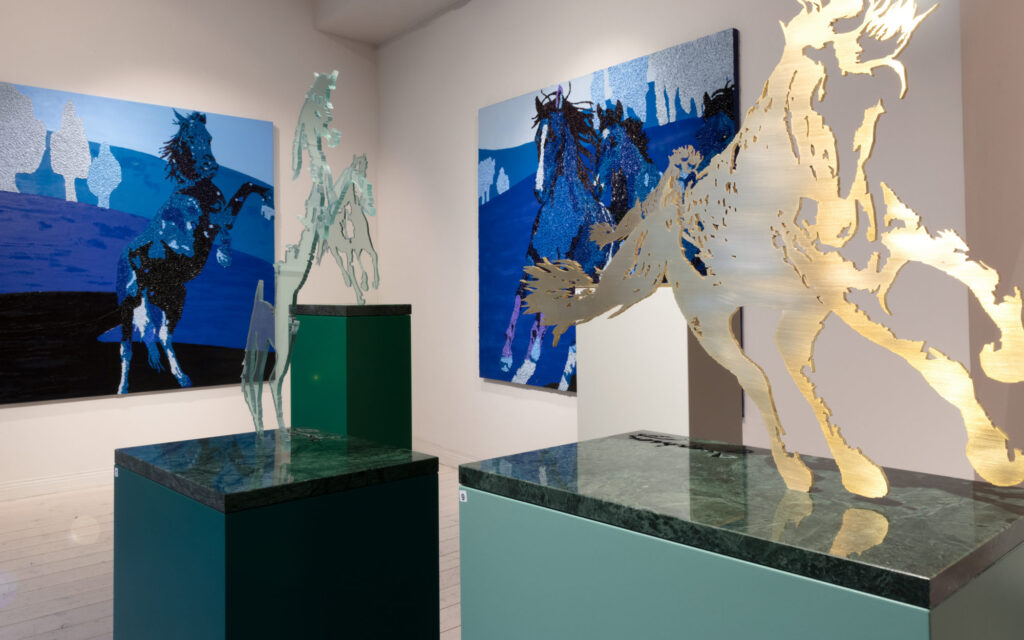
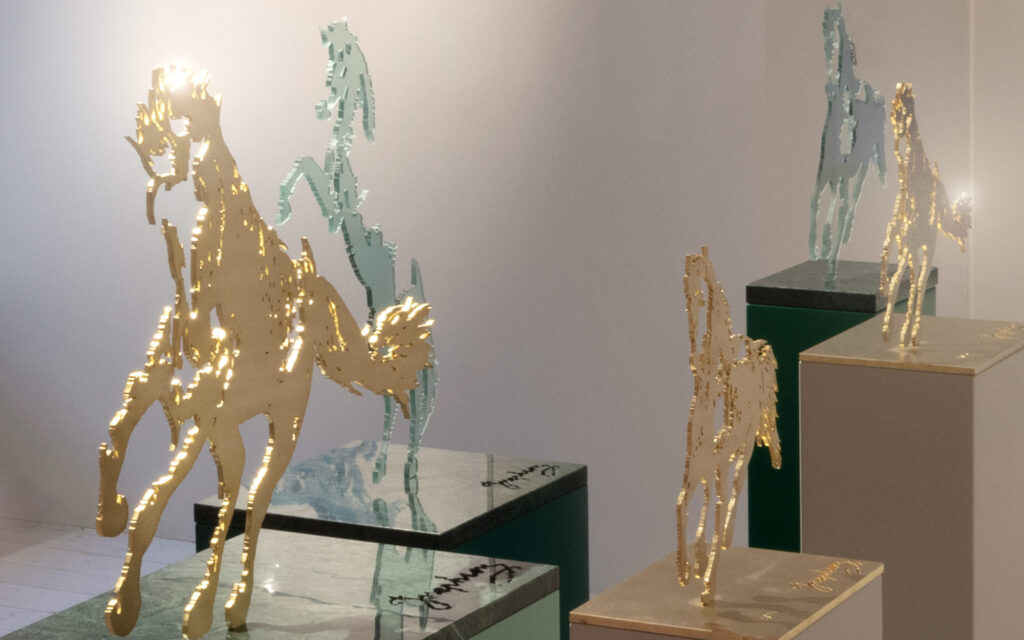
For over a decade, Per Josephson has been working with the Wild Horses motif from an artistic perspective, taking as a point of departure the early 20th-century artists’ group Der Blaue Reiter.
Der Blaue Reiter was founded at the beginning of the 1900s, where the naïve, the influence of the colour blue, the child’s form of expression, and the world of dreams—but above all abstraction—were given central importance. Wassily Kandinsky, Franz Marc, August Macke, Paul Klee, and Pablo Picasso were among those who actively contributed during the group’s brief but influential existence.
Today, the existence of the wild horse has almost been erased. Free thought, spontaneous wandering, and the act of moving with the wind have been framed, contained, and enclosed. The vast fields—the endless expanses in which thought once moved without restriction—continue to shrink.





ART EXHIBITION – 3
Giacomo Puccini
22 December 1858, Tuscany, Italy — 29 November 1924, Brussels, Belgium
Italian composer and creator of numerous musical works and operatic masterpieces, performed regularly on the world’s major opera stages. Season after season, works such as La Bohème, Tosca, Madama Butterfly, and the unfinished Turandot return to the repertoire.
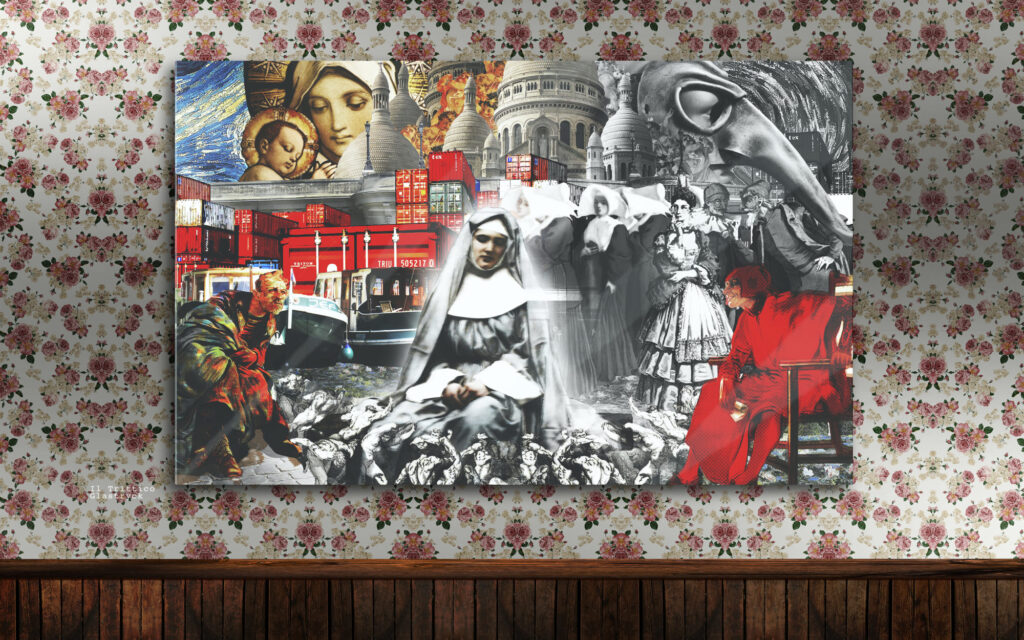
IL TRITTICO (THE TRIPTYCH)
The opera had its premiere on 14 December 1918 at the Metropolitan Opera in New York.
Il Trittico consists of three independent one-act operas:
- Part 1: Il Tabarro (The Cloak)
- Part 2: Suor Angelica
- Part 3: Gianni Schicchi
Puccini’s original idea was to base all three parts on The Divine Comedy. However, only the final part, Gianni Schicchi, ultimately draws directly from Dante’s text—and even then only from a brief passage.
IL TABARRO
Il Tabarro takes place in Paris in 1910, along the murky currents of the Seine. A cargo barge becomes the setting for a tragic drama of jealousy.
Michele, the barge captain, is tormented by the passing of time and by the desires of his young wife. The harsh life on the water offers little appeal to a young woman drawn instead to the temptations of Paris. The dockworker Luigi becomes her lover whenever the opportunity arises, and together they plan to escape into the anonymity of the city.
Michele senses betrayal and remains on deck in the night, smoking his pipe to clear his thoughts. In the darkness, Luigi climbs aboard, believing he is meeting his lover. Michele surprises him and strikes him down. Before dying, Luigi confesses his love. The commotion awakens Giorgetta, who rushes up on deck only to find Luigi lifeless, wrapped in Michele’s cloak.
SUOR ANGELICA
Suor Angelica is set in a 17th-century Italian convent and is the most intimate and contemplative of the three operas—Puccini’s personal favourite.
Sister Angelica has been forced into the convent by her family due to an illegitimate child. Cut off from both son and kin, she has lived a life of silent devotion and resignation. One day, the sound of an approaching carriage breaks the stillness, and soon the convent gate is opened after seven long years. Her aunt, the Princess, has arrived.
Angelica is compelled to renounce her name and inheritance—an unblemished family reputation is essential, especially as her sister is about to take religious vows. When Angelica signs the documents, she also asks about her son. She is told he died two years earlier.
Her world collapses. After the Princess departs, Angelica takes poison. In her final moments, she realizes the gravity of her act—suicide as a mortal sin—and begs the Virgin Mary for mercy. At the moment of death, the Holy Virgin appears with Angelica’s son, and together they ascend into heaven.
GIANNI SCHICCHI
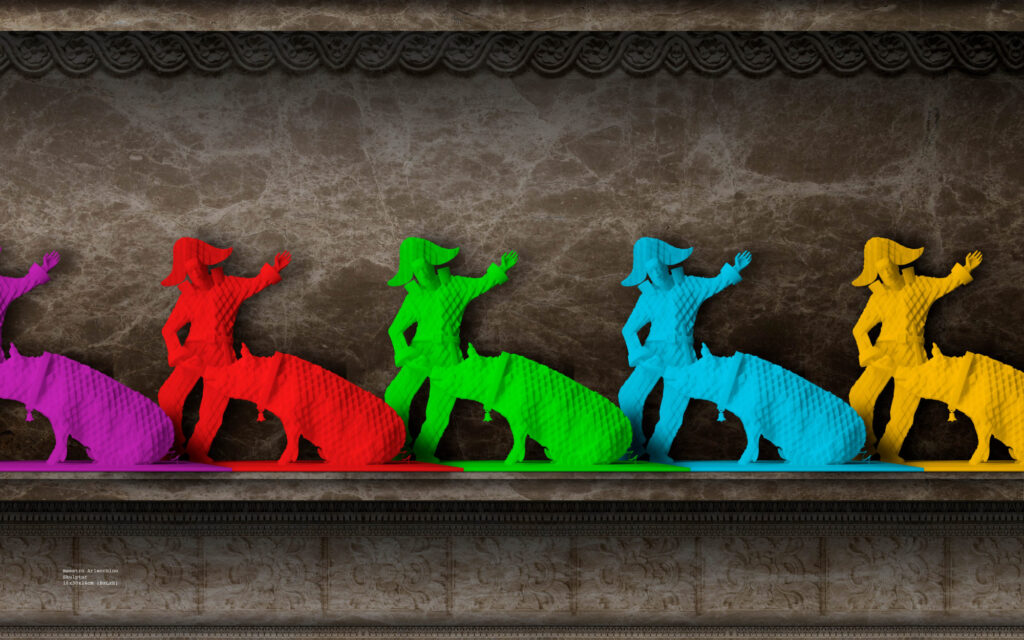
Gianni Schicchi is set in Florence in 1299 and draws inspiration from Commedia dell’arte and Dante’s Inferno. The character Gianni Schicchi appears briefly in Canto 30 of the Eighth Circle, described as a raging figure causing chaos among the damned.
Buoso Donati has just died. His relatives gather in the house, ostensibly to mourn—but above all to secure their inheritance. Rumours suggest that Buoso intended to leave his fortune to a local monastery. The moment he takes his final breath, the family overturns the house in search of the will.
They eventually find the document, confirming their worst fears. To solve the problem, they summon the local trickster, Gianni Schicchi. He quickly replaces the deceased in the bed and impersonates him, while a notary is called to rewrite the will.
At first, the family rejoices as their names are assigned land and possessions. But in the end, it is Gianni Schicchi who secures the greatest share—skillfully manipulating the situation from the deathbed and claiming the finest parts of the inheritance for himself.
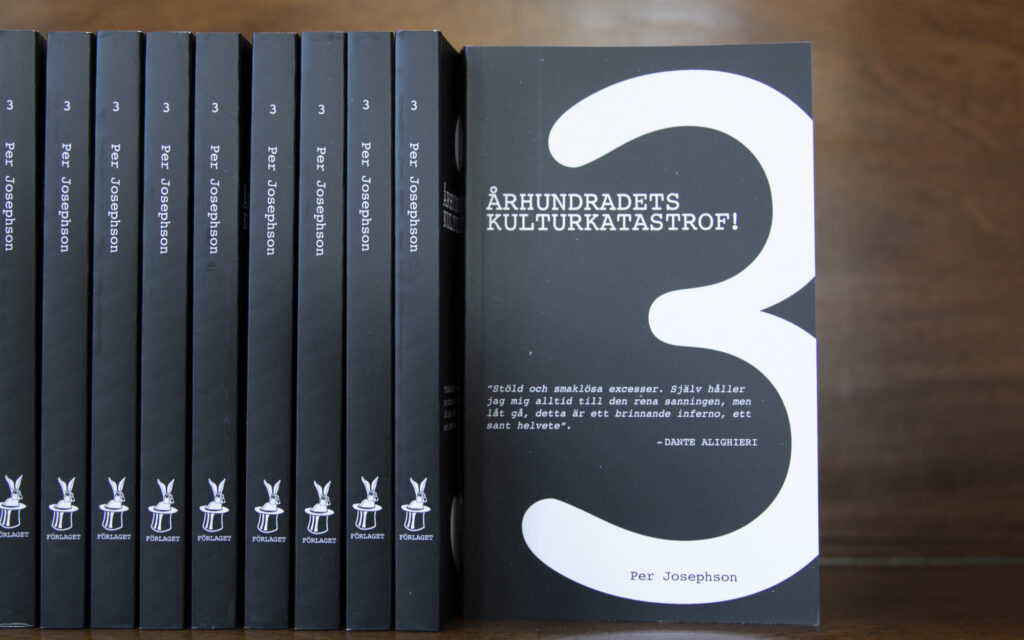
Purchase the Exhibition Book Here: 3 Århundradets kulturkatastrof


SCULPTURE – THE FOUNTAIN
(from the Latin fons—“spring” or “source”)
The source and meeting place amid great transformation.
Clear blue rises skyward, its crown a cascade of water.
Shimmering droplets scatter, fall, recede—and life emerges.
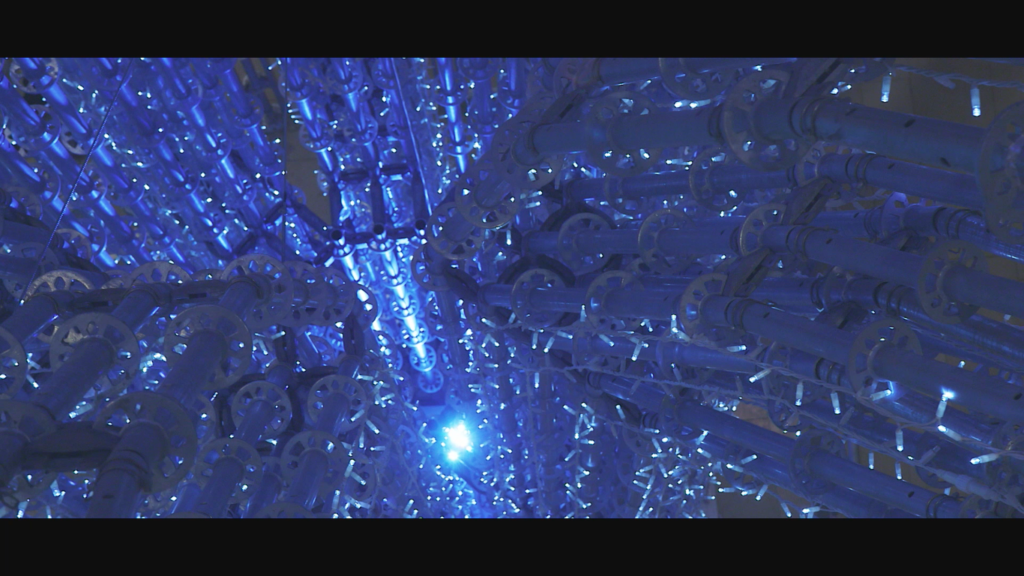
SCAFFOLDING SPIRE
Reaching upward, sideways, and through intersecting structures.
It surrounds and supports the ever-changing character of construction.
Flexible, enduring, and steadfast—through every hour of the day and every day of the year.
Through sun and rain, autumn storms and winter’s darkest nights, it remains—the builder’s closest companion.

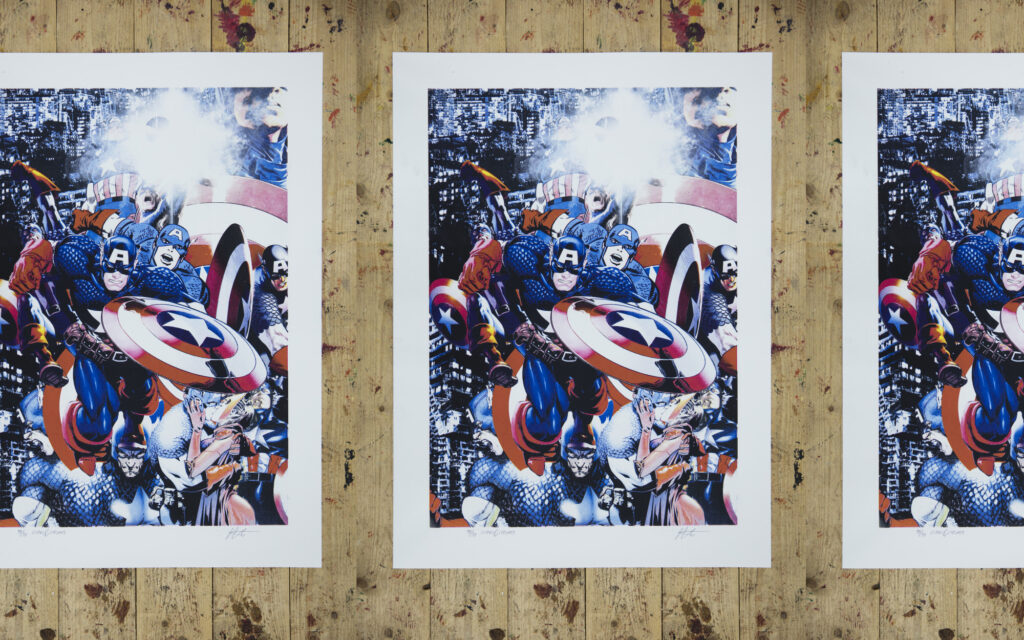
WHAAM!
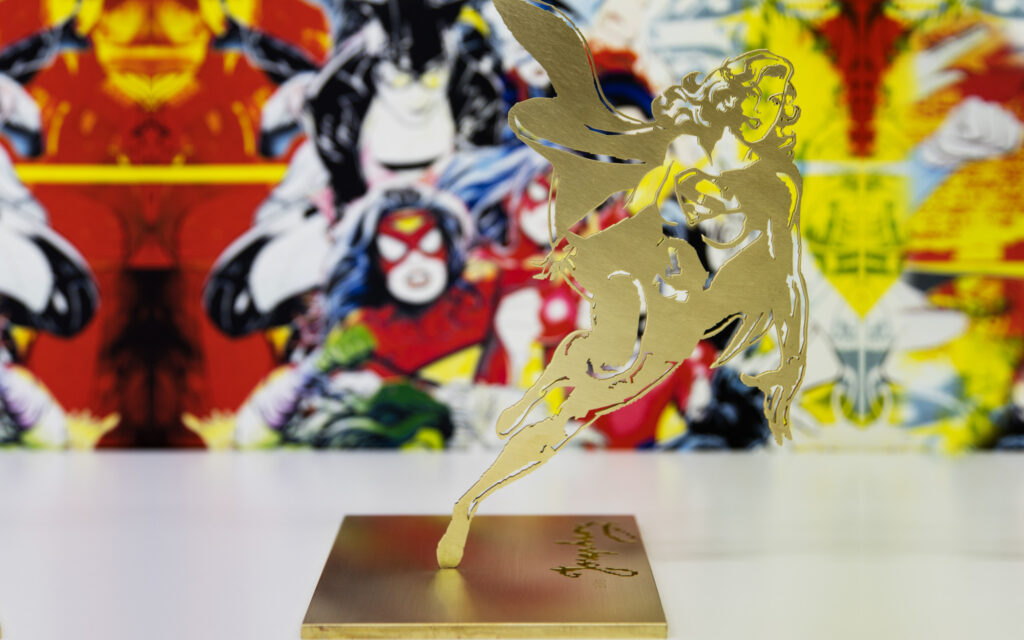
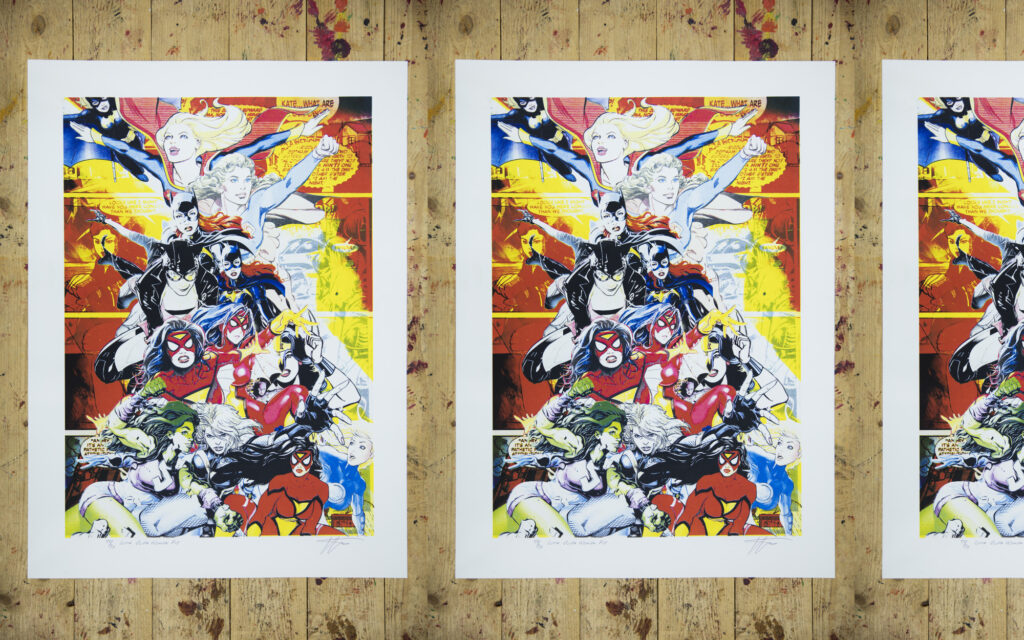
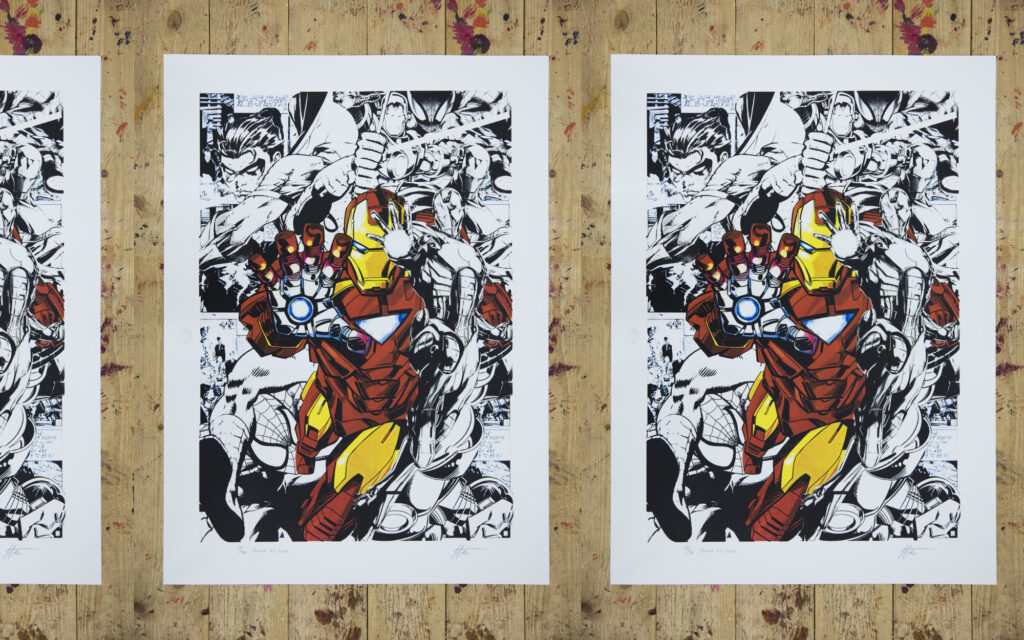
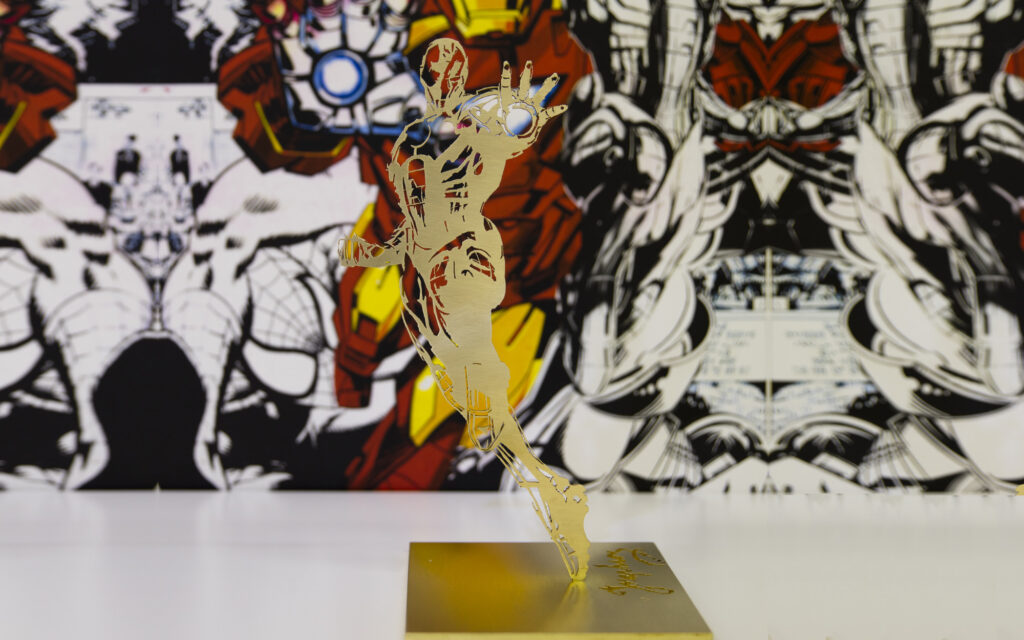
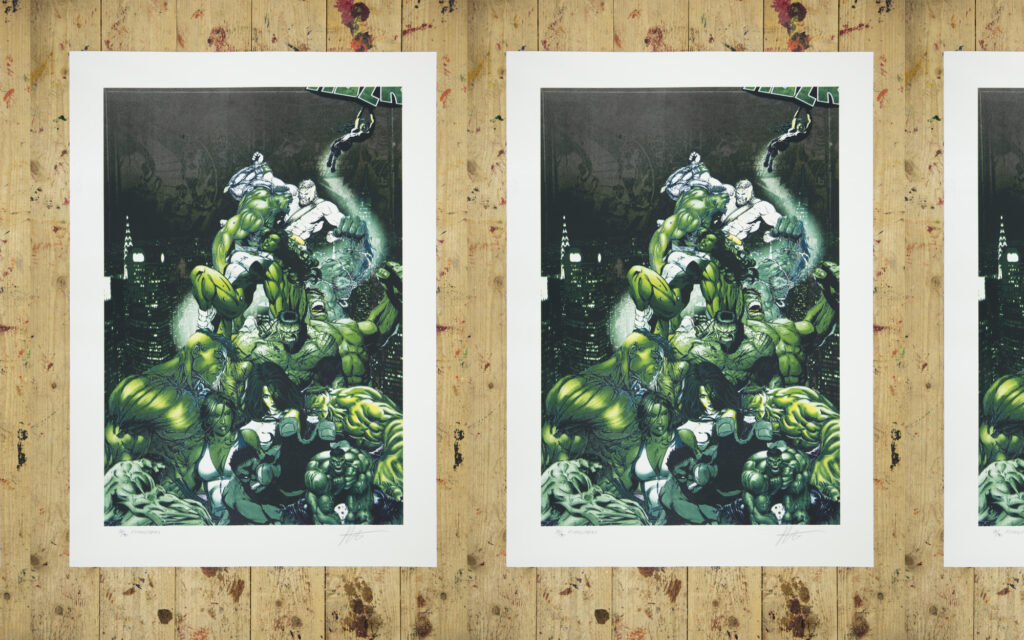
Superhero Lithographs
The first comic strips began appearing in newspapers in the late nineteenth century. Typically published on weekdays, they would often occupy an entire page in the Sunday supplement, printed in colour. One of the earliest superheroes to emerge in comic-book form was Superman, who made his debut in 1938 in the first issue of Action Comics #1.
Interest in the comic panel has shifted over time—comedy, adventure, politics, and social commentary have all taken their turn. Yet it was the superhero genre that quickly grew into the dominant form, and it remains so today.
Beyond their superhuman abilities, these heroes were often somewhat awkward and vulnerable in everyday life. But once clad in their swelling costumes of action, they became decisive figures of justice, intervening wherever needed. More often than not, each adventure concluded with a moral lesson, a warning, or a gentle reprimand. Rarely did anyone perish, and villains were frequently left defeated in chains of almost absurd proportions.
In more recent decades, however, superheroes—both old and new—have grown increasingly hard-boiled. A certain darkness has descended upon the comic landscape, and even the noblest of heroes have seen their violence escalate, much to the reaction of many.
Today, a multitude of action heroes roam the cultural imagination, each with their own costume, mission, weakness, and purpose. Yet one thing remains certain: whenever they spring into action, every villainous thought would do well to glance over its shoulder.
POW!
The lithographs Evergreens, Stars & Stripes, Power of Love, Supa Dupa Women Fly, and B&W Forever were printed at Lindströms Original Litografer in Stallarholmen.
The editions are deliberately small and vary in size, but never exceed forty-two impressions of the same motif. All lithographs are stamped, numbered, and signed on 300-gram Fabriano paper.